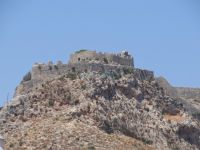

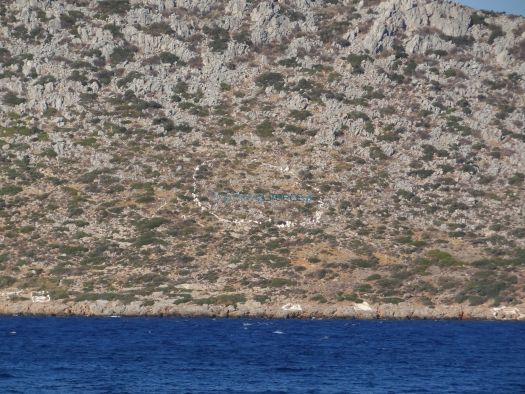


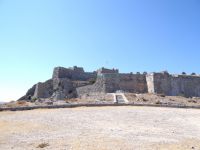
Βυζαντινό κάστρο του 10ου ή 11ου αιώνα, στην κορυφή του λόφου Πιτύκι ή Απιτύκι. Σύμφωνα με χρυσόβουλο διάταγμα του αυτοκράτορα Αλέξιου Α' του Κομνηνού το κάστρο περιήλθε στον ιδρυτή της Μονής Αγίου Θεολόγου Πάτμου, όσιο Χριστόδουλο, το 1089. Το 1314 η Λέρος παραχωρήθηκε στους Ιωαννίτες ιππότες της Ρόδου (οικόσημά τους μπορούμε να δούμε σε διάφορα σημεία του κάστρου). Από το 1522 και μετά την ήττα των ιπποτών από τους Οθωμανούς η Λέρος και το κάστρο της περιήλθαν σε Οθωμανική κατοχή μέχρι το 1912 όταν και πέρασε σε Ιταλικά χέρια για να ξαναγίνει Ελληνική το 1948. Η ιστορία του κάστρου είναι άμεσα συνδεδεμένη και με την εκκλησία της Παναγίας του, κτίσμα και αυτή του 11ου αιώνα. Το χρυσοποίκιλτο τέμπλο της, ο Δεσποτικός θρόνος και ο Άμβωνας είναι έργα του του 1745μΧ. Η ασημοποίκιλτη θαυματουργή εικόνα της Παναγίας της Οδηγήτριας, χρονολογείται από το 728μΧ. ενώ πιθανολογείται ως έργο του Ευαγγελιστή Λουκά. Η παράδοση λέει ότι στάλθηκε από την Πόλη την εποχή των Εικονομαχιών για να σωθεί.

 Cultural Attraction // Castle
Kastro Padeliu
(Kastro Panagias)
Attributes
| Altitude (in meters) | : | 177 |
| Time Reference | : | 1089 |
| Access | : |  Road Road |
| Accessible | : |  Normally Normally |
| Duration of Visit | : | 1 hour 15 minutes |
More
Similar: Cultural Attractions

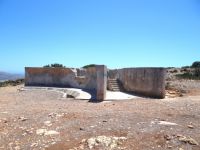

Lofos Patella - Paravolikos akustikos kathreptis
(Historical Site)
DODEKANISSA, LEROS, Municipal Division(Historical Site)
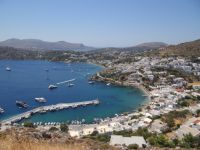

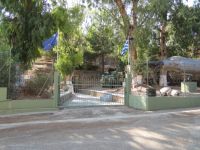
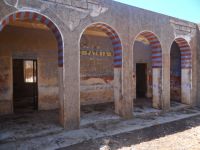
Ktiria diikissis Italikis pirovolarchia PL906
(Historical Site)
DODEKANISSA, LEROS, Municipal Division(Historical Site)
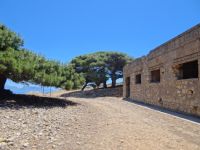
Ktiria diikissis engatastasseon Italikis aeraminas ston lofo Patella
(Historical Site)
DODEKANISSA, LEROS, Municipal Division(Historical Site)
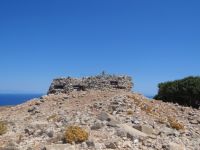

MEDIA GALLERIES
MAIN
(34)